
🏋️ Squat Pyramid Calculator
Create personalized squat training plans with ascending, descending, or diamond pyramids for strength, power, hypertrophy, or endurance
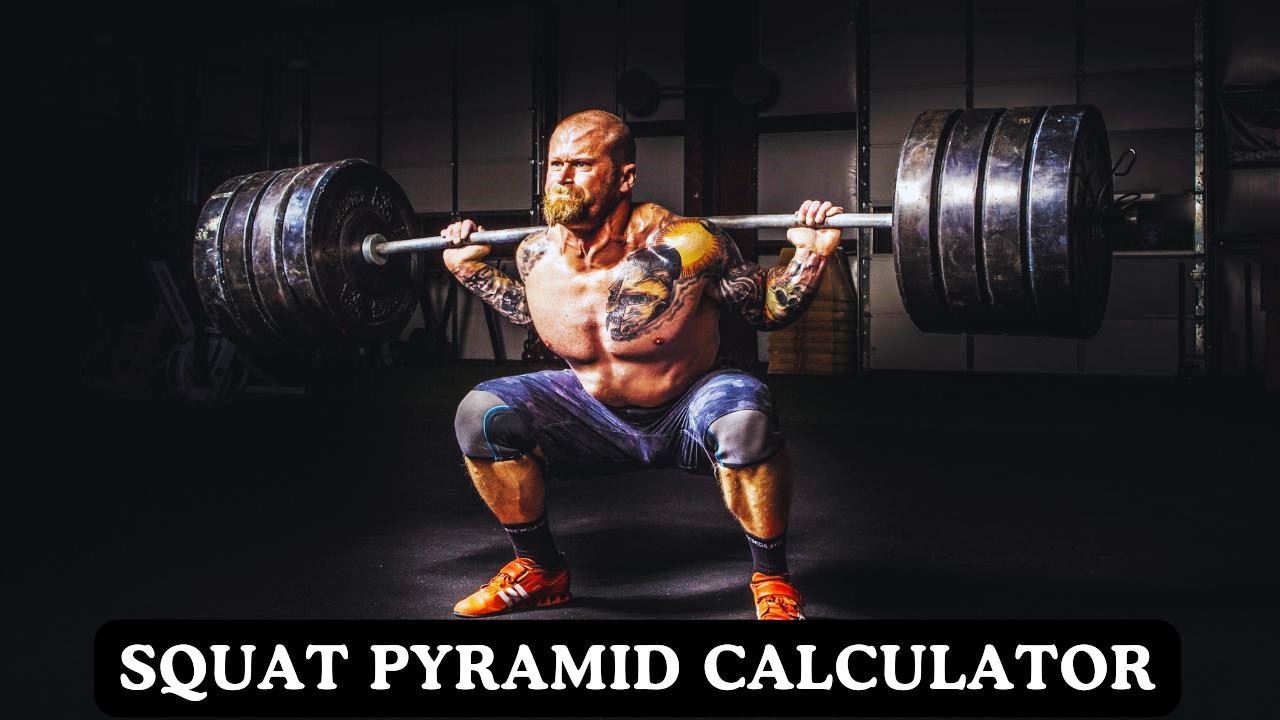
Pyramid Training for Squats
Pyramid training is a smart way to structure your squat workouts. Instead of using the same weight for every set, you change both the weight and number of reps as you go through your sets. This helps you build lower body strength while getting enough practice at different intensities.
Set 2: 155 lbs × 10 reps
Set 3: 175 lbs × 8 reps
Set 4: 195 lbs × 6 reps
Set 5: 215 lbs × 4 reps (heavier weight, fewer reps)
Each set builds on the last one. You start with lighter weights to warm up and practice form, then gradually increase the weight while decreasing reps. This approach helps you get stronger safely while building muscle.
Why Pyramid Training Works for Squats
Pyramid training combines different types of stress on your muscles in one workout. The lighter sets help you practice technique and build endurance, while the heavier sets build maximum strength. This approach is more effective than using the same weight for every set.
- Progressive Warm-up: Start light to prepare your muscles and joints
- Strength Building: Heavier sets recruit more muscle fibers for strength gains
- Muscle Growth: Mix of reps and weights promotes both strength and size
- Technique Practice: Lighter sets let you focus on perfect form
- Mental Preparation: Build confidence as you progress through sets
Choosing Your Training Goal
Different goals need different pyramid approaches. Here’s how to match your training to what you want to achieve:
- Build Strength: Focus on heavier weights with fewer reps (1-5 reps per set)
- Develop Power: Use moderate weights moved quickly (3-6 reps per set)
- Build Muscle: Moderate weights with medium reps (6-12 reps per set)
- Improve Endurance: Lighter weights with higher reps (12+ reps per set)
Your experience level also matters. Beginners should use lighter weights and focus on form, while experienced lifters can handle heavier loads and more sets.
Pyramid Training Methods Explained
Ascending Pyramid (Light to Heavy)
This is the most common pyramid style. You start with lighter weights and higher reps, then gradually increase the weight while decreasing reps with each set.
Set 2: Medium weight × Medium reps
Set 3: Heavy weight × Low reps
Benefits: Great warm-up, builds confidence, peaks at heavy weights when you’re ready
This method is perfect for beginners because it lets you warm up properly and practice form before attempting heavier weights. It’s also excellent for building overall strength and muscle.
Descending Pyramid (Heavy to Light)
Start with your heaviest weight and lowest reps, then decrease weight while increasing reps with each set. This approach maximizes strength when your muscles are fresh.
Set 2: Medium weight × Medium reps
Set 3: Light weight × High reps
Benefits: Maximum strength first, high volume accumulation, great for experienced lifters
This method is ideal for experienced lifters who want to focus on maximum strength development. You get your best performance when you’re fresh, then accumulate volume for muscle growth.
Diamond Pyramid (Light-Heavy-Light)
This combines both approaches – you build up to a peak weight in the middle, then decrease back down. It provides comprehensive training stimulus in one session.
Set 2: Medium weight × Medium reps
Set 3: Heavy weight × Low reps (peak)
Set 4: Medium weight × Medium reps
Set 5: Light weight × High reps
Benefits: Complete training stimulus, multiple adaptations, built-in recovery within session
Diamond pyramids are great for advanced trainees who want comprehensive development. They provide strength work, hypertrophy stimulus, and endurance training all in one workout.
⚕️ Safety Notice
This Squat Pyramid Calculator provides training guidance based on scientific research and should not replace professional coaching. Always consult with a qualified trainer or healthcare provider before starting any new exercise program, especially if you have pre-existing injuries or medical conditions. Proper form is essential for safety and effectiveness. Stop any exercise that causes pain (beyond normal muscle fatigue) and seek medical attention if needed. Start conservatively and progress gradually to avoid injury.
