
Neck to Waist Ratio Calculator
Assess your metabolic health and sleep apnea risk with this science-backed measurement
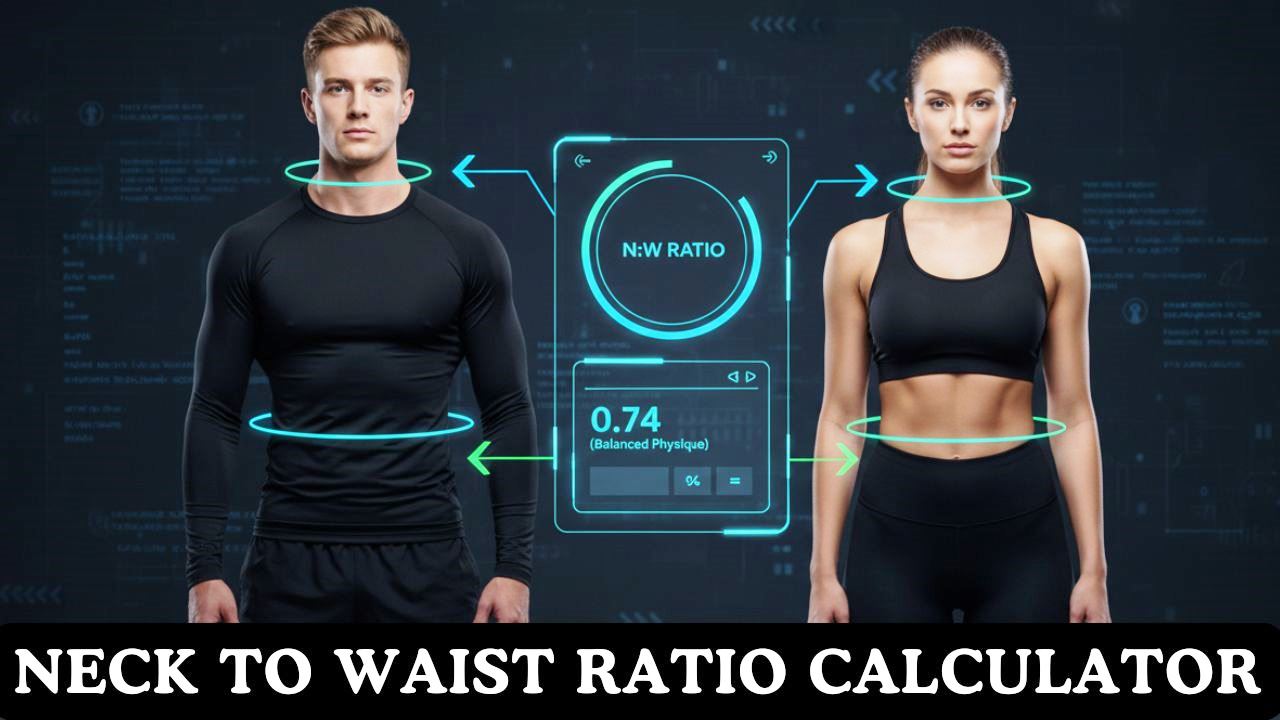
What is Neck-to-Waist Ratio?
Neck-to-Waist Ratio (NWR) is calculated by dividing your neck circumference by your waist circumference. This simple measurement helps identify metabolic health risks and sleep apnea likelihood.
NWR is gaining recognition as a powerful health screening tool because it captures upper body fat distribution, which strongly correlates with visceral fat and metabolic dysfunction.
Research shows that large neck circumference combined with large waist creates the highest risk profile for metabolic syndrome, cardiovascular disease, and obstructive sleep apnea (OSA).
How to Calculate Neck-to-Waist Ratio
Waist: 33 inches (84 cm)
Calculation: 38 ÷ 84 = 0.452
Result: Low Risk (NWR 0.45)
Interpretation: Excellent metabolic health profile. Continue healthy lifestyle.
Waist: 31.5 inches (80 cm)
Calculation: 46 ÷ 80 = 0.575
Result: High Risk (NWR 0.58)
Interpretation: High metabolic risk + sleep apnea concern. Large neck (18″) with disproportionate fat distribution. Medical evaluation recommended.
Neck-to-Waist Ratio Risk Categories
| NWR (Men) | NWR (Women) | Category | Health Risk |
|---|---|---|---|
| < 0.42 | < 0.40 | Very Low Risk | Excellent metabolic health |
| 0.42-0.45 | 0.40-0.43 | Low Risk | Healthy range |
| 0.46-0.50 | 0.44-0.48 | Moderate Risk | Slight increase in risk |
| 0.51-0.54 | 0.49-0.52 | Increased Risk | Moderate health risk |
| 0.55-0.59 | 0.53-0.57 | High Risk | High metabolic risk + OSA concern |
| ≥ 0.60 | ≥ 0.58 | Very High Risk | Critical – medical attention needed |
How to Measure Correctly
Neck Circumference Measurement
Find the Right Spot: Measure at the midpoint of the neck, at the level of the Adam’s apple (laryngeal prominence). This is typically the narrowest part of the neck.
Proper Position: Stand upright, look straight ahead. Don’t tilt your head up or down. Keep shoulders relaxed. The tape should be snug but not compressing the skin.
Accuracy: Use a flexible measuring tape. Take three measurements and use the average. Measure at the same time of day for consistency.
Waist Circumference Measurement
Measurement Point: At belly button level, typically the narrowest part of your torso between the lowest rib and hip bone.
Breathing: Exhale normally and relax your abdomen. Don’t hold your breath or suck in your stomach. The tape should be parallel to the floor.
Timing: Measure in the morning before eating for most consistent results. Use our Workout Warm-Up Calculator to prepare properly before measuring.
Target NWR by Gender
| Gender | Target NWR | Healthy Neck | Healthy Waist |
|---|---|---|---|
| Men | < 0.51 | < 16 inches (40 cm) | < 37 inches (94 cm) |
| Women | < 0.49 | < 14 inches (36 cm) | < 31 inches (80 cm) |
Priority Action: Focus primarily on waist reduction through calorie deficit and exercise. Neck size typically reduces naturally as overall body fat decreases. Use our Sets and Reps Calculator to optimize training volume, and track intensity with our Workout Intensity Calculator.
Frequently Asked Questions
What is a healthy neck-to-waist ratio?
A healthy NWR is below 0.51 for men and below 0.49 for women. These thresholds are based on metabolic health research. Lower ratios (below 0.45 for men, 0.43 for women) indicate excellent metabolic health and very low risk of associated conditions.
Can neck size indicate sleep apnea?
Yes. Neck circumference above 17 inches (43 cm) for men or 15 inches (38 cm) for women significantly increases sleep apnea risk. Large neck size indicates fat deposits around the upper airway that can obstruct breathing during sleep. Combined with high NWR, this creates very high OSA risk.
How can I reduce my neck-to-waist ratio?
Focus on overall fat loss through calorie deficit (500 cal/day), increase protein intake (0.8-1g per pound body weight), and combine cardio with strength training. Waist reduces faster than neck, improving your ratio. Expect 1-2 cm waist reduction monthly with consistent effort.
Is NWR better than BMI for health assessment?
NWR provides different information than BMI. While BMI measures total body mass, NWR specifically indicates upper body and visceral fat distribution, which are stronger predictors of metabolic disease and sleep apnea. Use both measurements together for comprehensive health assessment.
What does high NWR mean for my health?
High NWR (>0.55 men, >0.53 women) indicates increased risk of metabolic syndrome, type 2 diabetes, cardiovascular disease, and obstructive sleep apnea. It suggests excess visceral fat and upper body obesity. Medical evaluation is recommended to assess and manage these risks.
⚠️ Medical Disclaimer
This calculator provides health risk estimates for educational purposes, not medical advice. NWR is a screening tool and should be interpreted alongside comprehensive medical evaluation.
Consult a healthcare provider for proper diagnosis and treatment, especially if results indicate high risk. If you have symptoms of sleep apnea, seek evaluation from a sleep specialist.
