
🦍 Ape Index Calculator
Discover your wingspan-to-height ratio and unlock sport-specific insights
- Remove your shoes – Measure barefoot for accuracy
- Stand against a wall – Heels, buttocks, and shoulders touching the wall
- Look straight ahead – Keep your head in the Frankfort horizontal plane (ears level with eyes)
- Mark the top of your head – Use a flat object (like a book) held parallel to the floor
- Measure from floor to mark – Use a tape measure for best results
💡 Pro Tip: Measure in the morning – you can be up to 2cm shorter at night due to spinal compression.
- Stand against a wall – Back flat against the wall
- Extend both arms horizontally – Arms should be parallel to the ground at shoulder height
- Keep arms straight – Don’t bend elbows, palms facing forward
- Have someone help you measure – Measure from fingertip to fingertip across your chest
- Measure in a straight line – The tape should be taut and level
💡 Pro Tip: Mark the wall at each fingertip, then measure between the marks for accuracy.
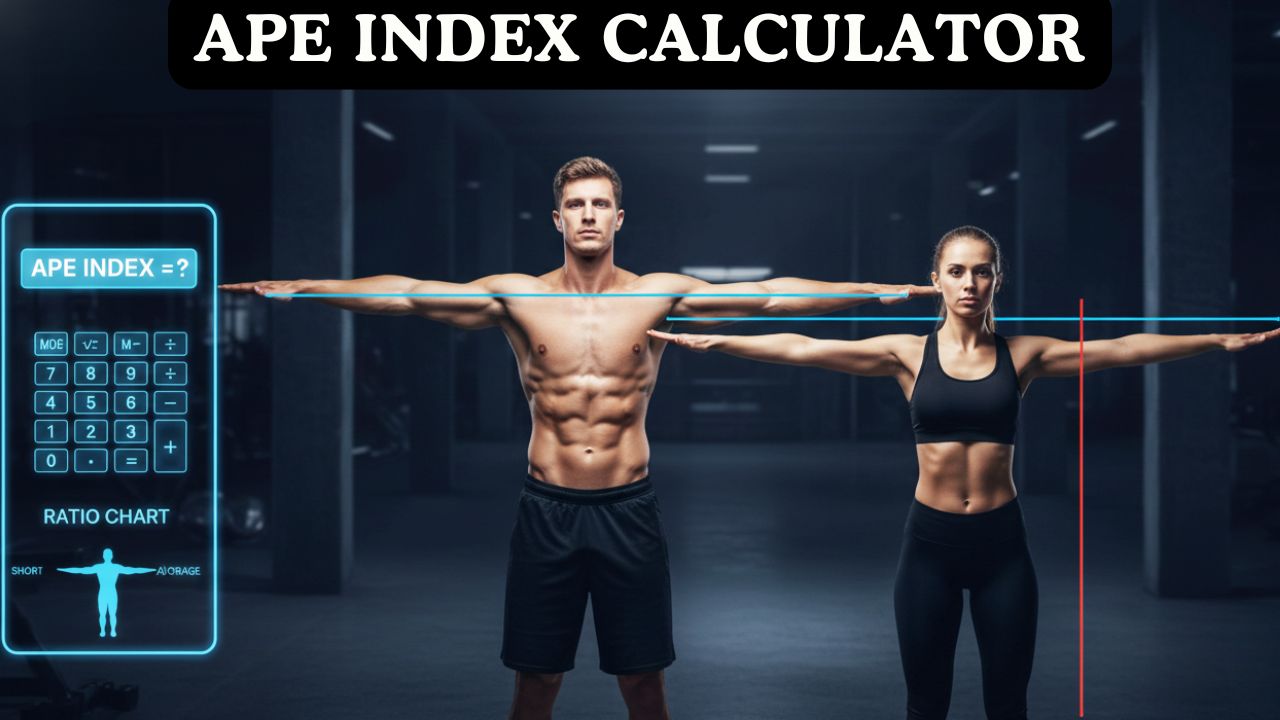
What is Ape Index?
Ape index is a simple measurement that compares your arm span (wingspan) to your height. It tells you whether your arms are longer, shorter, or equal to your height. This ratio has real-world implications for sports performance, exercise selection, and understanding your body’s unique mechanics.
The term “ape index” comes from the observation that apes typically have much longer arms relative to their height compared to humans. In people, the variation is smaller but still significant enough to impact athletic performance and movement patterns.
Height: 175 cm
Arm Span: 180 cm
Ape Index (Absolute):
180 cm – 175 cm = +5 cm
Ape Index Ratio:
(180 ÷ 175) × 100 = 102.86%
Interpretation: Your arms are 5 cm longer than your height, giving you a positive ape index. This is advantageous for sports like climbing, swimming, and boxing.
Most people have an ape index between -2 cm and +2 cm, meaning their arm span is roughly equal to their height. However, elite athletes in certain sports often have significantly positive ape indexes.
How to Measure Your Ape Index Accurately
Getting accurate measurements is crucial for calculating your true ape index. Use the same units for both measurements and follow these guidelines:
Height: Measure barefoot in the morning when you’re tallest. Stand straight against a wall and use a flat object to mark the top of your head.
Arm Span: Stand with back against a wall, extend arms horizontally at shoulder height, and measure fingertip to fingertip.
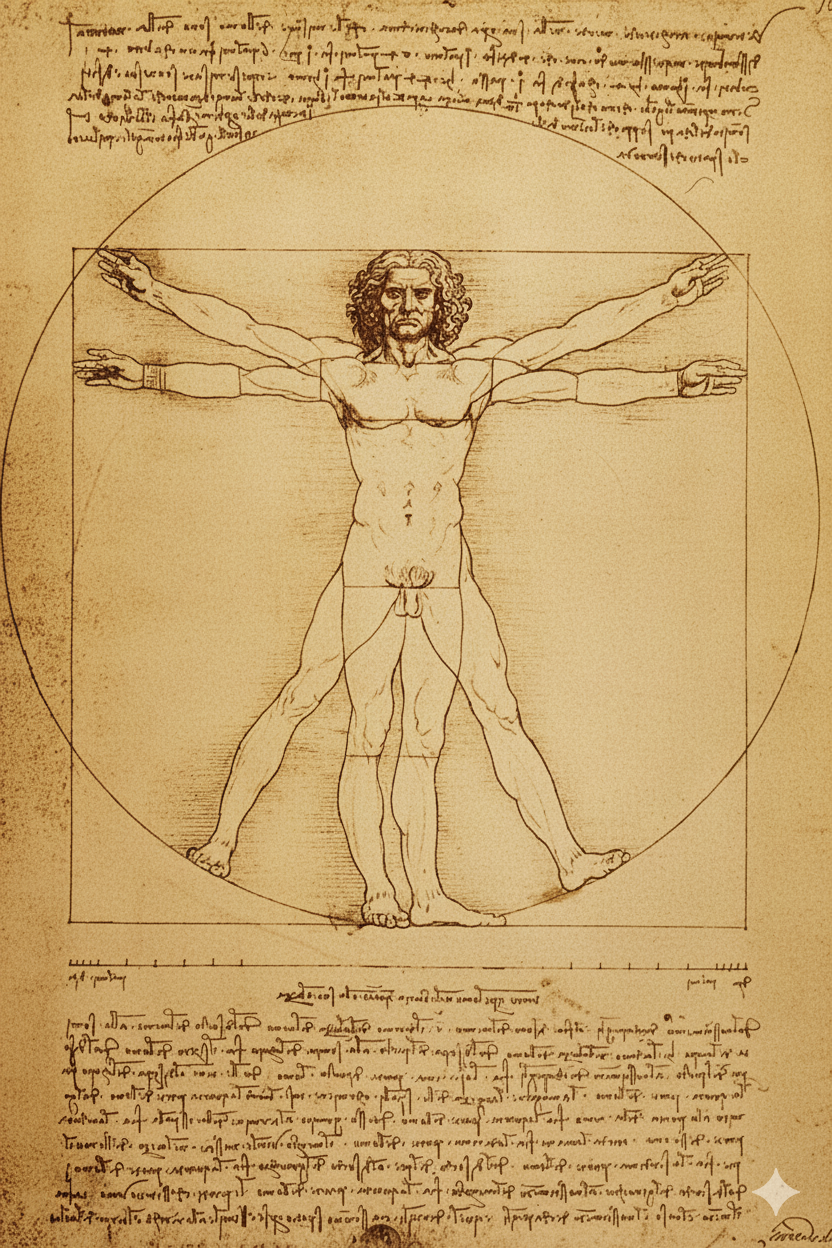
Proper measurement technique for calculating ape index
Tip: Take multiple measurements and average them for best accuracy.
Ape Index and Rock Climbing Performance
Rock climbing is the sport most influenced by ape index. Longer arms provide reach advantages, but technique and strength are equally important.
Positive ape index: Better reach to holds, easier mantles, improved lock-off positions.
Negative ape index: Focus on superior footwork, core strength, flexibility, and technique to compensate.
Use workout intensity management to optimize climbing performance.
Swimming: How Wingspan Affects Performance
Longer arms provide biomechanical advantages in swimming through increased stroke length and water displacement.
Positive ape index: Better stroke length and propulsion efficiency.
Negative ape index: Focus on stroke rate and powerful leg kick.
Use our warm-up calculator to prepare for swimming.
Weightlifting: Leverage and Ape Index
Your ape index affects your mechanical advantages in different lifts, helping you choose appropriate weights and set realistic goals.
Negative ape index: Advantage in bench press due to shorter range of motion (5-10% more weight possible).
Positive ape index: Advantage in deadlifts with better starting position and reduced spinal stress.
Squats/overhead press: Less affected by ape index – focus on torso-to-leg ratio and shoulder mobility.
Use our sets and reps calculator to optimize training based on your leverages.
